
Case Study: When a “Simple” Eye Ulcer Doesn’t Heal 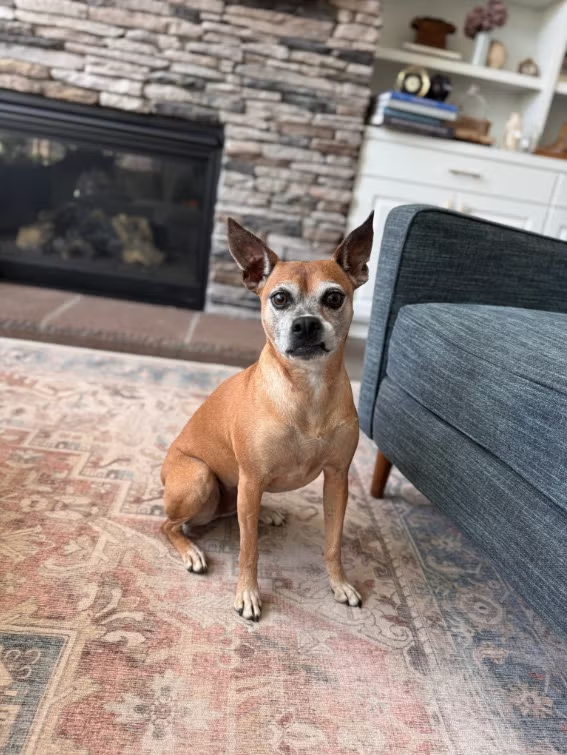
Patient:
Belle, 7-year-old spayed female Boxer mix
Presenting concern:
Watery, irritated left eye with rubbing and squinting
The Initial Visit
Belle was brought in after her family noticed increased tearing from her left eye, along with squinting and rubbing—both common signs of ocular discomfort. On examination, our team noted:
- Increased clear discharge
- Mild squinting (a sign of eye pain)
- A hazy spot in the center of the cornea
A fluorescein stain test was performed, and the affected area lit up clearly, confirming a corneal ulcer.
Initial Treatment
Corneal ulcers are fairly common in dogs and often heal well with standard therapy. Belle was started on:
- An E-collar to prevent rubbing
- A short course of anti-inflammatory medication (carprofen)
- A topical antibiotic ointment
This approach is appropriate for most uncomplicated ulcers.
When Healing Didn’t Go as Planned
After a couple of weeks, Belle’s eye still wasn’t improving. She remained fluorescein-positive, indicating the ulcer had not healed as expected. At this point, we knew this was not a routine case.
To rule out common causes of delayed healing, we performed additional diagnostics:
- Schirmer Tear Test to evaluate tear production (dry eye)
- Tonometry to measure eye pressure
Both tests were normal.
The Real Diagnosis: A Non-Adherent (Indolent) Corneal Ulcer
Based on Belle’s lack of response to treatment and the appearance of the cornea, she was diagnosed with a non-adherent (indolent) corneal ulcer.
In these cases, the surface layer of the cornea cannot properly attach to the underlying tissue. Because the surface cells won’t “stick,” the ulcer cannot heal with medication alone.
This condition is especially common in Boxers and Boxer mixes.
The Turning Point: Corneal Debridement
To allow proper healing, we performed a corneal debridement using a sterile cotton swab. This gentle procedure removes the loose, unhealthy surface cells so healthy tissue can reattach.
Afterward, Belle’s treatment plan was adjusted to include:
A different topical antibiotic
Increased frequency of eye medication (every 6–8 hours)
Continued use of an E-collar and pain control
The Outcome
Following debridement and the updated treatment plan, Belle’s eye began healing as expected. The cornea cleared, the ulcer resolved, and she returned to being comfortable and bright.
Today, Belle is doing great with no ongoing eye issues.
Takeaway for Pet Owners
If your dog’s eye ulcer isn’t healing as expected, it doesn’t always mean the medication isn’t working or that something more serious is wrong. Some ulcers—particularly in Boxer breeds—require a minor procedure to allow proper healing.
Early rechecks and follow-up diagnostics are essential when ulcers don’t follow the typical healing timeline. If you notice:
- Persistent squinting
- Ongoing discharge
- Continued irritation despite treatment
A recheck exam is important to protect your pet’s vision and comfort.
At Central Providence Veterinary Hospital, our veterinarians are here when your pet needs us—whether it’s a routine concern or a case that requires a closer look. We believe in timely rechecks, thoughtful diagnostics, and individualized care to ensure the best possible outcomes. If something doesn’t feel right with your pet, our team is always available to help guide you through the next steps.